Choosing a stainless steel wire mesh is not only about the material. Three numbers decide how the mesh behaves in your application: the mesh count, the wire diameter and the resulting opening size. Getting these right avoids clogging, early failure and rework.
1. Mesh count
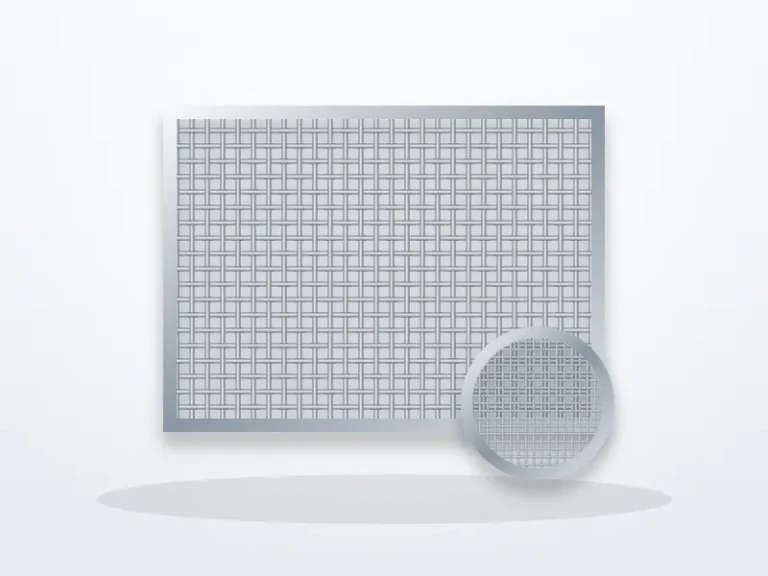
Mesh count is the number of openings per linear inch. A 10 mesh has 10 openings in one inch, while a 100 mesh has 100. The higher the mesh count, the smaller the openings and the finer the filtration.
2. Wire diameter
For the same mesh count, a thicker wire gives a stronger, longer-lasting mesh but reduces the open area. A thinner wire increases flow but is more delicate. Heavy-duty screening usually needs thicker wire; fine filtration usually uses thinner wire.
3. Opening size and open area
The opening (aperture) is the clear gap between two wires. It is what actually stops particles. Open area is the percentage of the mesh that is open, and it affects flow rate and pressure drop.
What to tell your supplier
- What you are filtering or screening, and the particle size to be retained
- Operating temperature, pressure and any chemicals involved
- Required form: roll, cut piece, circle, pack, cylinder or custom shape
- Size, quantity and, if possible, a drawing or sample
With these details, a manufacturer can suggest the right mesh count, wire diameter and weave for your job. Metfab supplies SS wire mesh in rolls and cut sizes, and converts it into circles, packs and filters to your specification.